Nasal Strips: Side Effects, Safety, and the Truth About Long-Term Use
[TL;DR / Quick Summary]
-
The Goal: A drug-free way to open nasal passages for better sleep and reduced snoring.
-
The Primary Risk: Epidermal stripping (skin damage) caused by aggressive removal of the adhesive.
-
The Expert Verdict: Safe for long-term use if you prioritize skin health and use the "Oil Hack" for removal.
Section 1: Introduction: The "Coffee Straw" Problem
Ever feel like you’re trying to breathe through a coffee straw in the middle of the night? It is a claustrophobic and deeply frustrating sensation. You are exhausted, your partner is likely disturbed by the sound of your snoring, and all you want is one full, deep breath of air.
Then you see those small, sticky strips in the pharmacy aisle. They promise better sleep and a "miracle" for your nose, but the doubt creeps in: Is the adhesive too strong for my face? Will it rip my skin off? Will it permanently change the shape of my nose?
I understand these concerns perfectly. I have spent years tracking reports of skin irritation and answering questions about long-term safety on platforms like Reddit and Quora. In this guide, I am skipping the marketing fluff. Instead, I will combine official FDA safety data with my years of personal experience using these products. By the end, you will know exactly how to improve your breathing tonight without risking damage to your skin tomorrow morning.

Section 2: How Nasal Strips Work: The Nasal Valve
A Physical Solution, Not a Drug
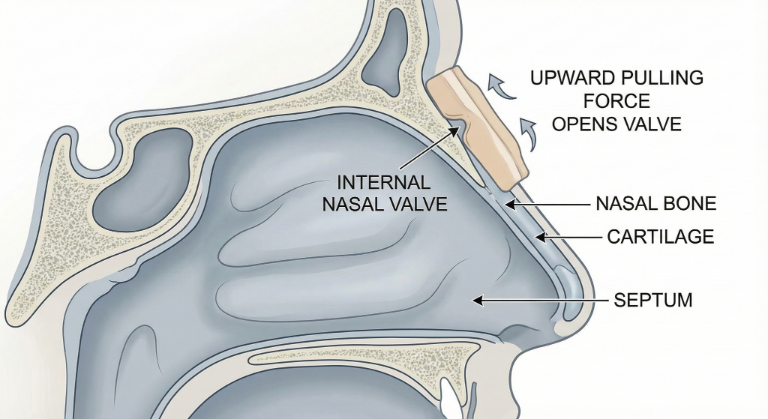
The primary benefit of nasal strips is that they are entirely drug-free. Unlike nasal sprays that can cause chemical dependencies, a nasal strip acts as a tiny, external spring for your nose.
Each strip is constructed from flexible, tension-heavy bands. When you adhere the strip to the bridge of your nose, those bands desperately try to return to their original, flat shape. This tension creates a gentle but consistent upward pull, physically lifting the sides of the nose and opening the passages from the outside.
The Role of the Nasal Valve
Most people are unfamiliar with the nasal valve, yet it is the narrowest part of your entire airway. It is the "bottleneck" of your breathing. If this tiny area is even slightly restricted—due to allergies, a cold, or just your natural anatomy—breathing becomes a chore.
The strip targets this specific anatomical spot. By gently lifting the skin, it widens the valve, allowing air to rush in with less effort. It is a straightforward, mechanical solution to what is essentially a mechanical blockage.
Section 3: The Real Talk: Side Effects and FDA Safety Risks
The Common "Morning Mark"
If you wear a strip for eight hours, it is common to have a red mark upon waking. I want to reassure you: this is usually normal. It is simply the result of sustained pressure on the skin. Much like the mark left by a pair of glasses on your nose, it typically fades within 15 to 20 minutes as blood flow returns to the surface of the skin.
The Concern of "Skin Stripping"
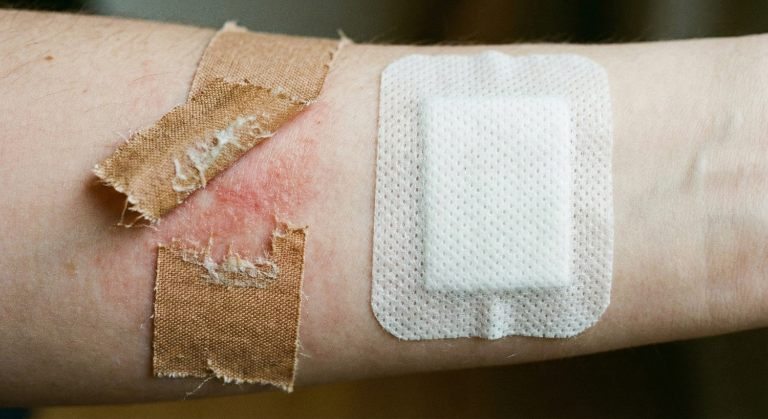
However, the FDA has received genuine reports regarding sores, blisters, or minor scarring. This is medically known as epidermal stripping.
Because the adhesive must be strong enough to stay on while you toss and turn in your sleep, it can be quite aggressive. If your skin is naturally dry, or if the strip is removed too quickly in a morning rush, it can take a fine layer of skin along with it.
| Observation | Is it normal? | Recommended Action |
|---|---|---|
| Light Red Mark | Yes | Wait 20 minutes; use a gentle moisturizer if needed. |
| Itchy Rash or Bumps | No | Stop use; you may have an allergy to the acrylic adhesive. |
| Raw or Peeling Skin | No | You removed the strip too quickly. Switch to the "Oil Hack." |
Alex’s Warning: Never apply a strip over a sunburn, active acne, or open cuts. The adhesive traps bacteria and heat, which will exacerbate any existing irritation significantly.
Section 4: Myth Busting: Nose Shape and "Addiction"
The Worry of "Permanent Stretching"
A common concern I hear is whether the constant pull will eventually widen the nose or ruin its shape. It is a real worry often discussed in online beauty and health communities.
Here is the anatomical truth: Your nose is composed of bone and tough cartilage. Cartilage is incredibly resilient, acting much like a stiff rubber band. While a nasal strip is strong enough to lift the soft tissue and skin, it cannot move or reshape your nasal bones.
Once the tension of the strip is removed, your nose returns to its natural position. I like to use the "Ponytail Analogy": while a ponytail holds your hair tight during the day, your head does not stay that shape once the hair tie is removed.
Is There a Risk of "Addiction"?
Can your nose become "weak" or dependent on strips? Physically, the answer is no. Since there are no drugs involved, there is no medical "rebound effect" like the one seen with decongestant nasal sprays (where the nose swells up worse once the drug wears off).
However, you can become accustomed to the sensation of breathing well. Once you experience what it feels like to get 100% of the air you need, going back to a restricted 60% feels significant. You aren't making your nose weaker; you are simply preferring a higher quality of life.
Quick Reality Check:
-
❌ Myth: Nasal strips stretch your bones permanently over time.
-
✅ Fact: They only pull on soft tissue; the nose resets its shape every single morning.
-
❌ Myth: You can become physically dependent on chemicals in the strip.
-
✅ Fact: There are zero drugs; the mechanism is 100% physical tension.
Section 5: Comparison: Strips vs. Internal Dilators
Choosing between an external strip and an internal plastic dilator depends entirely on your anatomy and how you sleep.
External Strips
-
Pros: Generally much more comfortable for all-night wear; ideal for those with a low nasal bridge.
-
Cons: Can slide off oily skin; visible to your partner.
-
Inner Sensitivity: Because they are external, they don't irritate the delicate inner lining of the nose or cause sneezing.
Internal Dilators** (Nasal Cones)**
-
Pros: Completely discreet and reusable; excellent for the gym or for those with facial hair that prevents strips from sticking.
-
Cons: Can feel like a foreign object or a small "pebble" in the nose; may cause inner crusting until your body adapts.
The Adhesive Tip: Many brands offer "Original" and "Sensitive Skin" versions. If you have even a hint of redness, the "Sensitive" version usually uses a gentler, acrylic-based glue that is far easier on the skin barrier.
Section 6: Pro Guide: Proper Application and Safe Removal
Lessons from Experience
Rushing to remove a strip in the morning is the #1 cause of skin damage. I have personally experienced the stinging scabs that result from improper removal, and it isn't pleasant. To avoid this, you need a deliberate morning routine.
1. Preparation for a Secure Fit
-
Clean the Skin: Use a gentle, oil-free cleanser before bed. If there is natural oil on your nose, the strip will likely slide off before 3:00 AM.
-
Find the Correct Spot: Do not place the strip too high on the hard bone. Locate the area where your nostrils begin to flare—this is the soft part where the nasal valve is located.
2. The "No-Pain" Removal Process (The Alex Rivera Method)
-
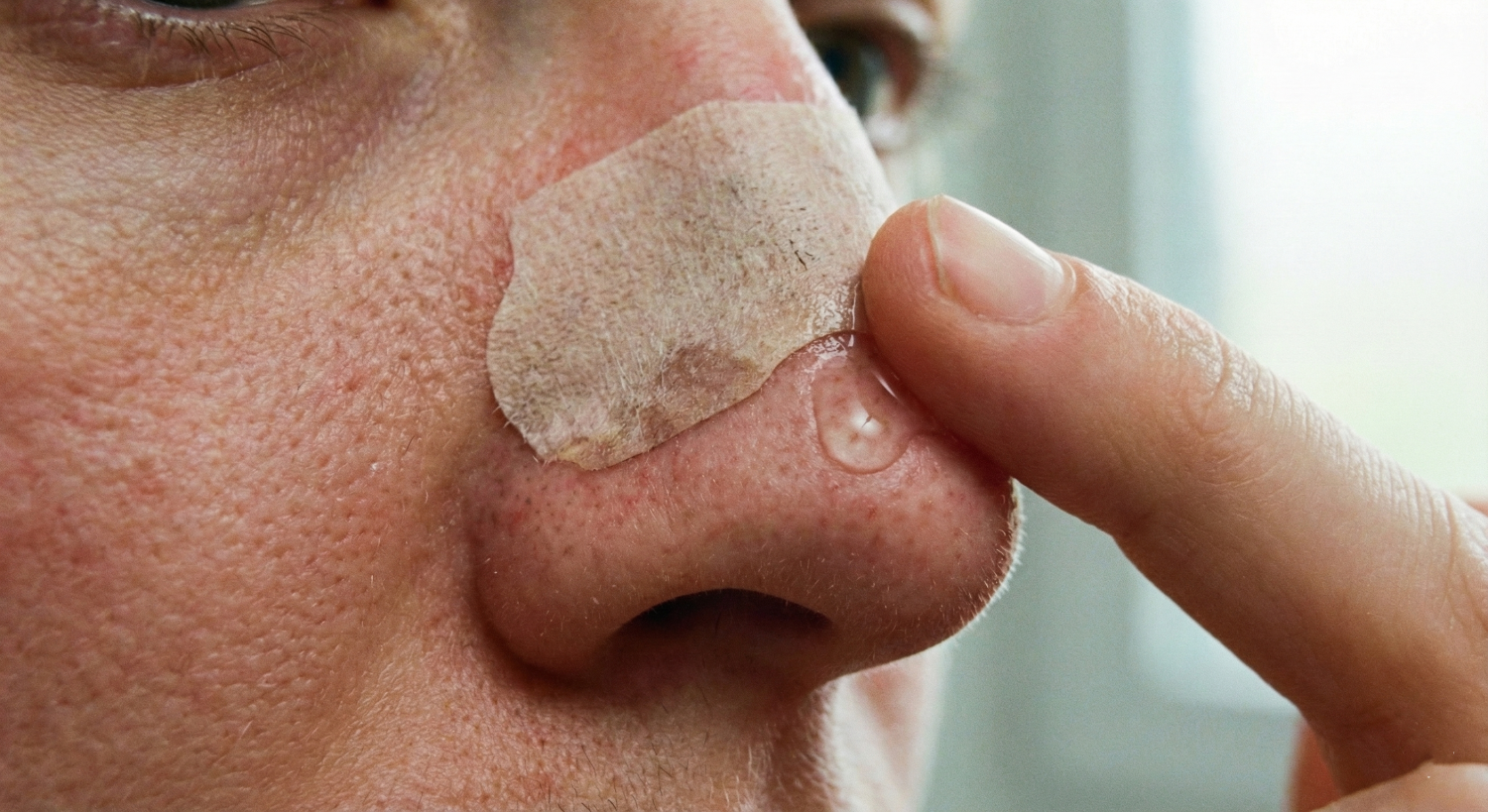
Step A: Hydrate the Adhesive. Splash warm water on the strip for at least 30 seconds while you are in the shower or at the sink.
-
Step B: Use an Oil. This is the secret. Take a drop of baby oil or coconut oil and rub it along the edges of the strip. Oil breaks down the adhesive bond instantly.
-
Step C: The Slow Lift. Gently peel from both ends toward the center. If you feel even a tiny bit of resistance, apply more oil. Never rip the strip off like a band-aid.
[Image Prompt 2: The Actionable Technique (Raw Macro)]
Section 7: When to Consult a Doctor
Nasal strips are a valuable tool, but they are a management strategy, not a cure. They are like putting a bucket under a leaking roof; they manage the water, but the roof is still broken.
If you have a deviated septum (where the internal wall of the nose is crooked) or chronic sinus inflammation, a strip provides only temporary, surface-level relief.
The "Red Flag" Checklist:
-
Gasping: Do you wake up suddenly feeling like you are choking or suffocating?
-
Morning Headaches: Do you wake up with a dull ache in your head almost every morning?
-
Excessive Daytime Sleepiness: Do you struggle to stay awake during work or while driving despite a "full" night's sleep?
-
Partner Observations: Does your partner report that you stop breathing for several seconds during the night?
Crucial Warning: Nasal strips do not treat Sleep Apnea. Sleep Apnea often involves the collapse of tissues in the throat, which a nasal strip cannot prevent. If you have any of the red flags above, please consult a medical professional for a sleep study. A strip might make you feel better, but it won't fix a dangerous drop in oxygen levels.
Section 8: Final Thoughts: Is the "Whoosh" Worth It?
The sensation of a clear airway—that "whoosh" of air when you first put the strip on—is, for many, worth the extra minute of skin care. Nasal strips have significantly improved my sleep quality, and they can likely do the same for you if you treat your skin with respect.
Final Advice: If you are ready to address your snoring or nighttime breathing issues, start with a small "Sensitive Skin" pack. Follow the oil-removal steps I’ve outlined, and let your skin tell you if it’s a match. You deserve to wake up feeling refreshed and well-rested, not like you've been struggling for air all night.
](https://nasalstripsmanufacturer.com/wp-content/uploads/2026/02/Nasal-Strips-Long-Term-Use-3.png "")
Author Bio
Nancy is a health and wellness researcher dedicated to making sleep science accessible to everyone. After struggling with chronic nasal congestion for over a decade, Alex has personally tested dozens of sleep aids and spent hundreds of hours analyzing FDA safety data. Known for a "test-it-on-myself" approach, Alex combines rigorous research with real-world practical advice. His goal is simple: to help the everyday sleeper find evidence-based solutions for better rest without the marketing fluff.