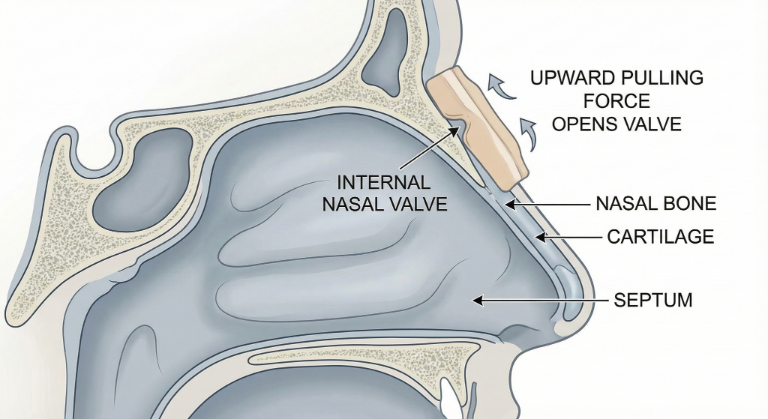
10 Key Nose Breathing Benefits for Health and Performance

Do you wake up with a dry mouth and feel exhausted, even after a full eight hours of sleep?
You might be one of the millions trapped in the "mouth breathing" cycle. Most of us take breathing for granted, yet we have forgotten our most fundamental biological birthright: the nose.
This isn't just a fleeting wellness trend—it is a total physiological reset. A scientific investigation into the power of nasal breathing reveals that your inhalation method directly dictates your blood pressure, stress levels, and even your immune response.
It is time to stop simply "surviving" on air and start thriving on it.
The Biological Mastery: Your Nose as a Body’s First Line of Defense
Your nose is far more than a simple sensory organ; it is a high-tech "processing plant" for every breath you take. Think of it as a sophisticated climate control system that prepares air specifically for your delicate lungs.
Warming, Humidifying, and Filtering Air
When you breathe through your mouth, you are essentially inviting "raw," dirty air directly into your chest. In contrast, your nasal passages are lined with tiny structures called turbinates.
According to expert insights from Cleveland Clinic, these structures act as an elaborate radiator. They warm cold air to body temperature and add moisture to prevent your throat from drying out. More importantly, the cilia in your nose trap dust, allergens, and bacteria before they ever reach your lungs.
Nose Breathing vs. Mouth Breathing: The Physical Difference
| Feature | Nose Breathing | Mouth Breathing |
|---|---|---|
| Air Temperature | Warmed to body temperature | Remains cold and irritating |
| Filtration | 98% of allergens/bacteria trapped | Zero filtration; irritants enter lungs |
| Moisture | Highly humidified | Dries out the oral cavity |
The Nitric Oxide Secret: Boosting Immunity and Blood Flow
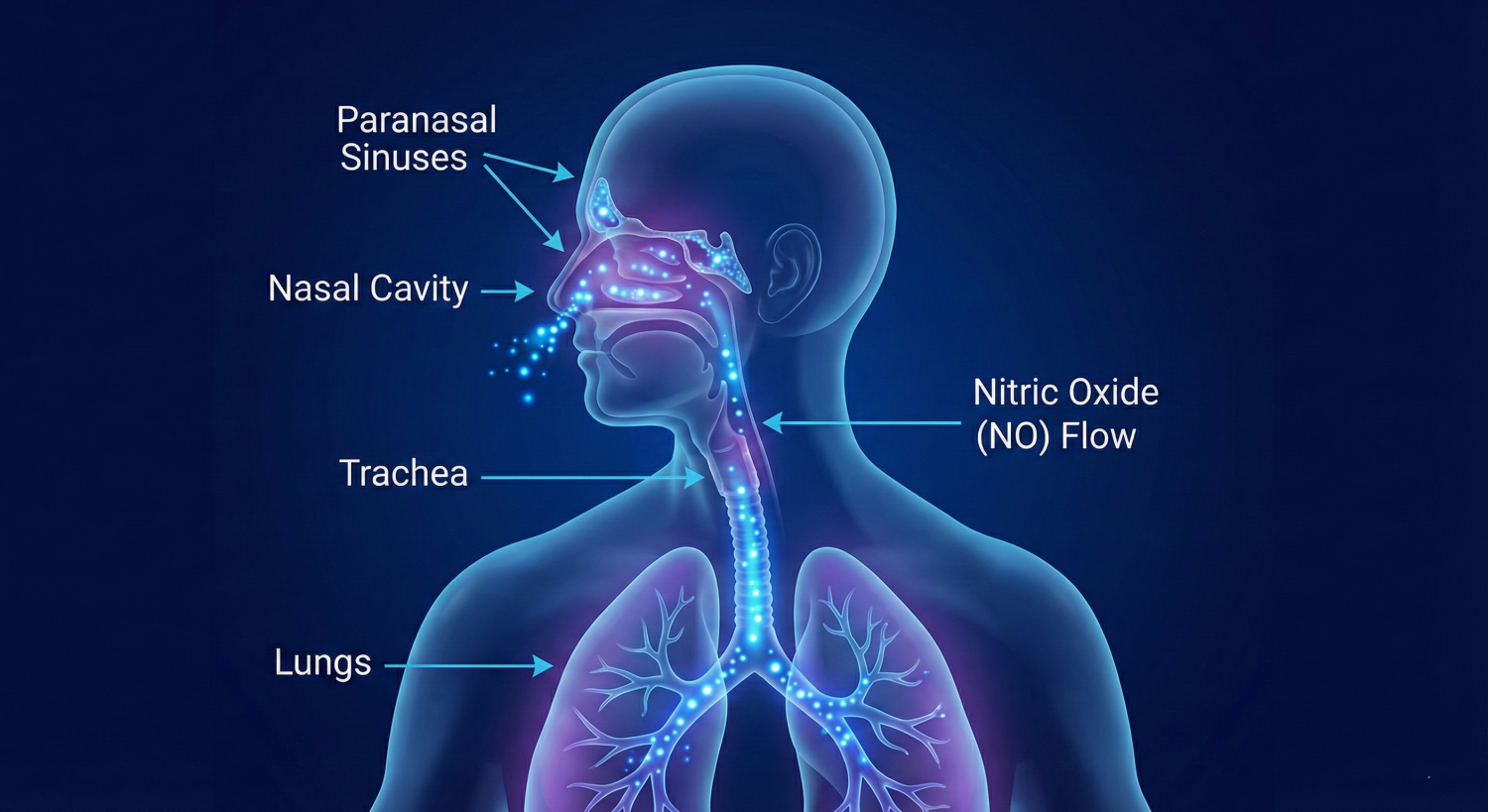
Beyond physical filtration, your nose performs a chemical miracle. Your paranasal sinuses constantly produce Nitric Oxide (NO)—a molecule that mouth breathers almost entirely miss out on.
In James Nestor’s explanation of the "first line of defense", he highlights that Nitric Oxide is a potent vasodilator and antimicrobial agent. This means as you inhale through your nose, you are delivering a gas that widens your blood vessels for better oxygen absorption while simultaneously killing off invading pathogens.
Cardiovascular Health: Lowering Blood Pressure and Stress
Have you ever wondered why doctors tell you to "take a deep breath" when you are panicked? They are right, but they often forget to mention one vital detail: it must be through your nose.
The Clinical Evidence: 2024 Physiology Study
For years, the link between breathing and blood pressure was considered "soft science." That changed recently.
According to a 2024 study published by the American Physiological Society, researchers found that simply switching to nasal breathing significantly lowers diastolic blood pressure in healthy adults. Nasal breathing reduces the mechanical load on your heart, allowing your arteries to relax.
Balancing the Autonomic Nervous System
Your nose is essentially a remote control for your nervous system. Nasal breathing flips the switch to the Parasympathetic Nervous System—your body’s "Rest and Digest" mode.
I find the "Nostril Cycle" particularly fascinating:
-
Right Nostril: Linked to the sympathetic system (the "gas pedal").
-
Left Nostril: Linked to the parasympathetic system (the "brake").
By maintaining steady nasal breathing, you balance these forces, actively lowering your heart rate and telling your brain that you are safe.

Optimizing Human Performance: Stamina and Recovery
Many athletes think that more air equals more energy. But here is the professional secret: it isn't about how much air you take in; it's about how much oxygen your body actually uses.
The Bohr Effect and Oxygen Delivery Efficiency
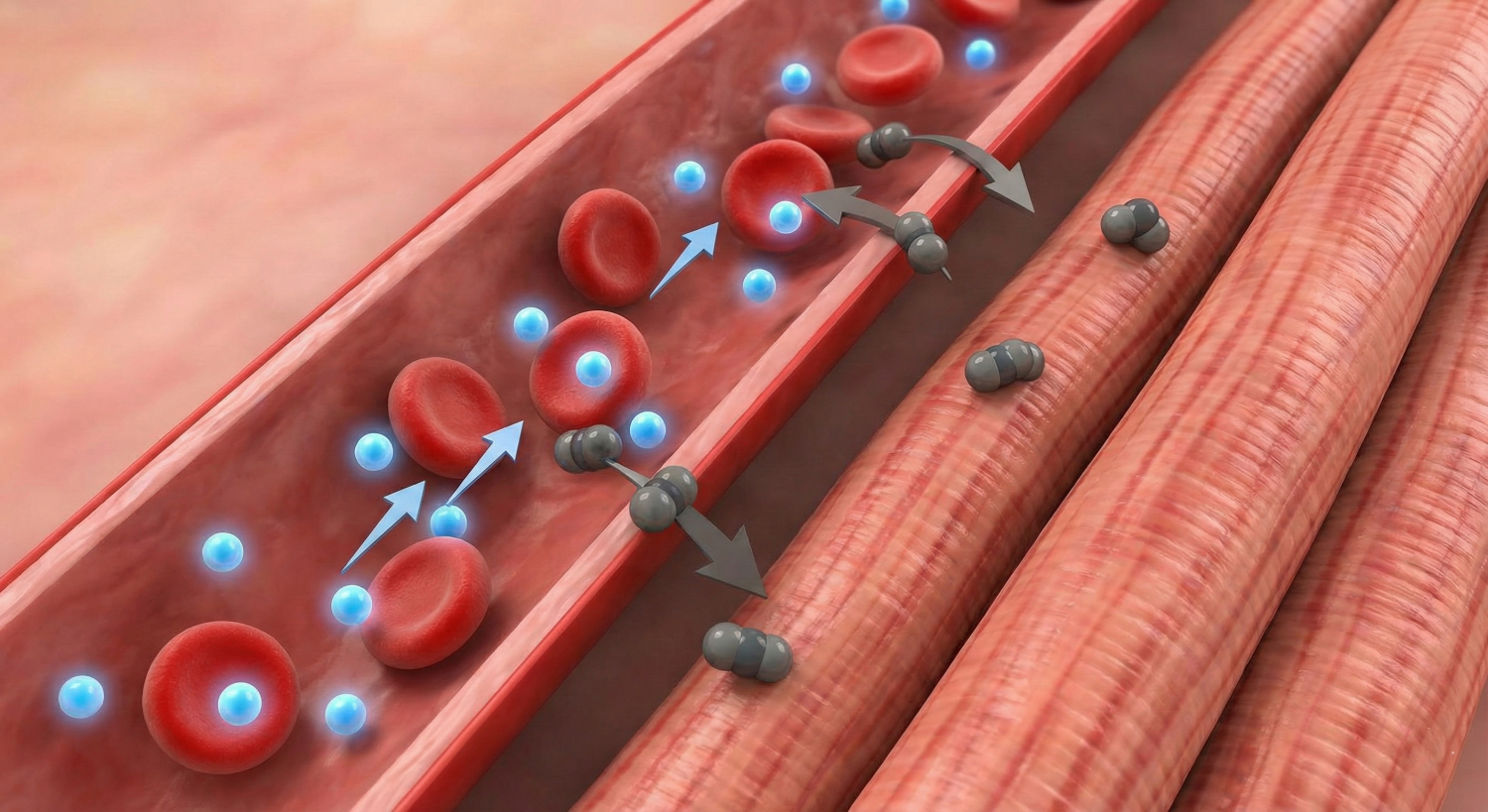
To understand why nasal breathing is superior, we must talk about the Bohr Effect. Oxygen in your blood is carried by hemoglobin, which is "sticky." It won't let go of oxygen unless there is enough carbon dioxide (CO2) present.
Nasal breathing maintains the perfect CO2 balance, allowing your blood to release oxygen efficiently to your muscles. This significantly increases your "running economy."
Maintaining Hydration and pH Balance
Mouth breathing is incredibly dehydrating—you lose up to 42% more water through your breath when your mouth is open.
According to how nasal breathing maintains the body’s pH balance, this practice stabilizes your blood's acidity during training. Your nose reduces fluid loss and buffers pH levels, preventing the rapid acid buildup that leads to muscle fatigue.
Nighttime Transformation: Better Sleep and Mental Clarity
If you are a mouth breather, a third of your life is likely characterized by snoring and waking up with a "brain fog" that no amount of coffee can fix.
Solving Snoring and Improving Sleep Quality
When you sleep with your mouth open, soft tissues in your throat are more likely to collapse, causing snoring. Research indicates that nose-breathing promotes a deeper, more restorative sleep cycle.
Brain Function and Cognitive Potential
During sleep, your brain uses a "cleaning system" to wash away metabolic waste. Nasal breathing supports this by stabilizing heart rate and oxygen levels. Expect:
-
Faster Recovery: Reaching deep sleep stages more efficiently.
-
Morning Clarity: No "dry mouth" headaches.
-
Enhanced Memory: Better consolidation of information.
](https://nasalstripsmanufacturer.com/wp-content/uploads/2026/02/10-Key-Nose-Breathing-Benefits-for-Health-and-Performance-5.png "")
Action Plan: How to Transition to Nasal Breathing
If your nose feels "stuck," don't worry—you can retrain it.
The Breath-Hold Technique for Nasal Congestion
To "reset" your nose, try this technique:
-
Exhale Gently: Take a small breath out through your nose.
-
The Pinch: Pinch your nose shut and hold your breath.
-
The Movement: Gently shake your head until you feel a strong urge to breathe.
-
The Release: Release and inhale calmly through your nostrils.
This builds up CO2, acting as a natural decongestant.
Daily Habits and Environmental Adjustments
-
Practice "Relaxed Breathing": Use the clinical guidelines for relaxed nasal breathing from the NHS.
-
The Mouth Tape Strategy: A small piece of surgical tape over your lips at night ensures 100% nasal breathing.
-
Check Your Posture: Keep your tongue resting on the roof of your mouth to naturally seal your lips.
Every breath you take is an opportunity to improve your health. By choosing nasal breathing, you are unlocking a natural system for better living. Don’t wait—set a timer and start your first five-minute nasal breathing session right now.